







Most of us take a working phone signal for granted, until we're on a mountain trail, deep in a valley, or a few kilometres offshore, and the bars simply disappear. SOS ITALIA is a national Italian project built around exactly that gap: a community-driven, decentralized communication network based on LoRa radio technology and the open-source Meshtastic platform, designed to keep people connected when the usual infrastructure can't reach them.
What SOS ITALIA actually is
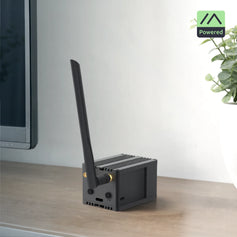
SOS ITALIA is not an app, and it isn't a single device, it's a growing network of digital radio nodes that talk to each other without needing a mobile tower, an internet connection, or a SIM card. Each node is typically a small, Meshtastic-compatible LoRa radio paired with a smartphone over Bluetooth, or a fixed unit installed in a strategic spot. Individually, each device has a limited range. Together, they form a mesh: a message can hop from node to node, extending coverage well beyond what any single device could reach on its own.
Importantly, the project is explicit about what it is not. SOS ITALIA doesn't aim to replace 112, Civil Protection, Mountain Rescue, the coast guard, or any official emergency service. It's positioned as a complementary layer, an extra way to stay in touch in places where the existing networks are weak, congested, or simply absent, not a substitute for calling the right people in a real emergency.
Three kinds of nodes, one network
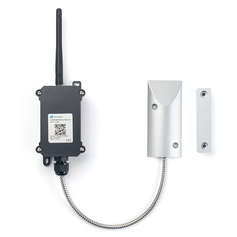
The network grows through three overlapping types of contribution: personal nodes carried by hikers, cyclists, sailors, and anyone moving through remote terrain; fixed nodes installed in mountain refuges, elevated homes, or association headquarters; and router/relay nodes placed specifically to bridge gaps, for example, a node high on a ridge that can pick up a signal from someone in the valley below and forward it onward. None of this depends on central infrastructure. It depends on people choosing to add a node somewhere useful.
That's also the project's core insight about coverage: it isn't simply about the number of devices out there, but where they sit. A single well-placed node on a ridge with clear line-of-sight can do more for the network than several nodes clustered in one low spot. Strategic placement, not raw device count, is what turns scattered individual radios into an actual network.
In the mountains and at sea
The two environments SOS ITALIA focuses on most are the mountains and the sea, both places where mobile coverage predictably thins out. On hiking trails through remote terrain, a personal or fixed node can offer a way to send a message even with zero mobile bars. Offshore, as boats move away from the coastline, signal reliability drops with distance, weather, and antenna height; a LoRa-based network between vessels, ports, and coastal high points can offer a similar complementary link. In both cases, the same caveat applies: delivery through a mesh network is never guaranteed, and it doesn't replace carrying proper safety equipment or contacting official services when it matters.
An open, growing project
What makes SOS ITALIA interesting isn't just the technology, it's that anyone can take part. You don't need to be a radio engineer to contribute: carrying a personal node, installing a fixed one at home or at a refuge, testing coverage in your area, or simply helping someone else configure their device all add to the network. It's a project that grows one node, and one contributor, at a time.
Hexaspot supports SOS ITALIA
As a European supplier of LoRa and Meshtastic hardware, we're glad to support what SOS ITALIA is building. A project like this lives or dies by how many well-placed nodes are out there, and that's exactly the part of the puzzle we care about, getting the right hardware into the hands of the people willing to carry it up a mountain or bolt it to a roof.
Join the event: Sunday, September 13
SOS ITALIA is organizing an event on Sunday, September 13. For the full details, location, and to RSVP, check the official Facebook event page:
SOS ITALIA Event — September 13
If you're in Italy and curious about community mesh networking, this is a good opportunity to see the project in person, meet the people behind it, and find out how to add your own node to the network.


