








Over the past months we've noticed a pattern in our inbox: alongside the usual hobbyists and outdoor enthusiasts, more and more requests are coming from higher education institutions, universities, and (semi-)government organizations. It's not one specific department or use case, it's IoT courses, telecom research groups, civil protection teams, and municipal sustainability programs all arriving at the same conclusion around the same time: Meshtastic and LoRa hardware solve a problem they actually have.
Why institutions are looking at Meshtastic
The appeal isn't a single feature, it's that Meshtastic sits at the intersection of several things institutions care about at once. It's open-source, so students and researchers can inspect, modify, and build on the firmware rather than working with a black box. It's inexpensive per node, which matters when a lab needs twenty devices for a practical rather than two. It works entirely without mobile infrastructure or the internet, which is exactly the property that makes it interesting for anyone thinking about communication resilience. And because it's built on standard, low-power LoRa radios, the same hardware doubles as a teaching platform for networking and radio fundamentals and as a genuinely deployable field tool.
Where we see it being used in higher education
- Telecom and networking courses Meshtastic gives students a working, inspectable mesh protocol to study instead of a purely theoretical one, with real radios and real range limitations to measure.
- IoT and embedded systems programs the same ESP32/nRF52 + LoRa hardware used for Meshtastic nodes is a natural fit for coursework on embedded development, power management, and sensor integration.
- Thesis and capstone projects decentralized mesh networking, coverage optimization, and off-grid communication are active, well-documented research areas that make for concrete, testable graduation projects.
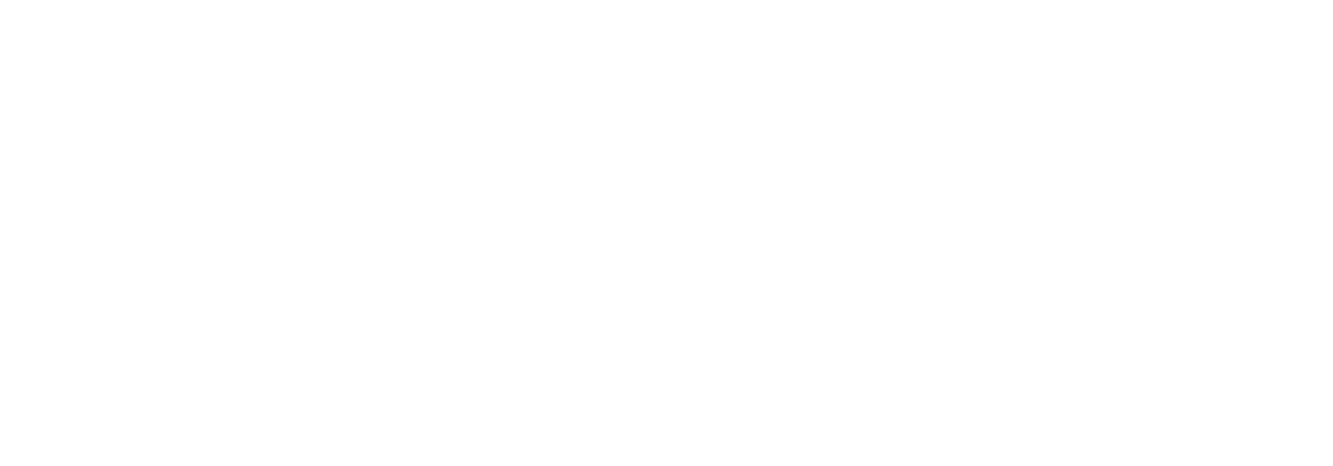
- Campus-scale pilots from backup communication during large campus events to environmental sensor networks (temperature, humidity, water levels) built on the same LoRaWAN hardware we also supply.
Where we see it being used in government and semi-government
- Civil protection and disaster-preparedness exercises testing communication that keeps working when mobile networks are congested or down, without replacing official emergency channels.
- Backup communication for public events municipalities and safety regions organizing marathons, festivals, or large gatherings where mobile coverage is known to degrade under crowd load.
- Environmental and infrastructure monitoring water boards and local authorities deploying LoRaWAN sensors for water levels, air quality, or asset tracking across areas with patchy connectivity.
- Volunteer and mountain/coastal rescue coordination the same logic behind community projects like SOS ITALIA, which we're proud to support, applies just as well to a regional volunteer network as to a national one.
It's worth being upfront about the boundary here, the same way we are whenever we write about this: Meshtastic is not a replacement for 112, professional emergency services, or official telecommunications infrastructure. What institutions are actually buying it for is resilience testing, research, education, and complementary coverage, an additional layer, not a substitute.
Buying hardware the way institutions actually buy hardware
One thing that comes up in nearly every one of these conversations: procurement at a university or government body doesn't run through a shopping cart and a credit card. It runs through purchase orders, VAT-compliant invoicing, budget approval cycles, and often a need to talk to an actual person before anything gets ordered.
That's exactly why every product page on our site has a Request a Quote button next to the price. Instead of forcing an institutional buyer through consumer checkout, it routes straight into our business process, which is built around what procurement teams actually need:
- Purchase orders send your PO directly and we process it without consumer checkout friction.
- VAT-compliant invoicing proper invoices for every order, including the details EU accounting and finance teams require.
- Volume pricing discounted tiers for larger unit counts and recurring deployment or replacement schedules.
- A dedicated account contact one named person for quotes, restocks, and delivery updates, rather than a different support ticket every time.
- Fast EU shipping from the Netherlands relevant for institutions anywhere in the EU that need predictable delivery windows for a course start date or a field deployment.
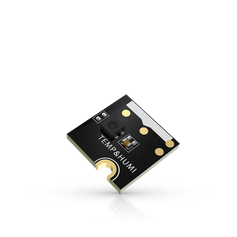
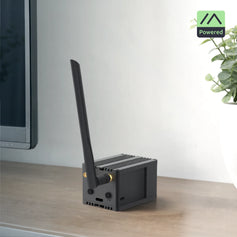
You can start directly from the Request a Quote button on any product, a starter kit for a classroom set, WisBlock modules for a research build, or solar repeaters for a coverage pilot, or read more about how the process works on our Hexaspot Business page.
Where to start
If you're scoping a first pilot, our Best Meshtastic Node Under €50 comparison is a reasonable starting point for a small classroom or test deployment, and our solar-powered outdoor repeater guide covers what's involved in extending coverage across a campus or a test area. For larger or recurring orders, reach out through the quote button, we work with education and public-sector buyers often enough that the process is genuinely built for it, not bolted on.


